
Diversity, equity and inclusion have become essential tenets in the modern world as we move towards a more fair and supportive society, where everybody has the opportunity to thrive and learn new things – and most importantly, have a voice at the table. The DEI principles have been a transformative force in many industries, from corporate governance to education, and sports isn’t far behind. Over 50 years ago, we saw the formation of the Women’s Tennis Association, which has hugely expanded women’s professional tennis – there are more than 70 tournaments across the world now! Thus, these initiatives to bring more people into the fold of athletics have been very successful in the world, and we have to remain hopeful that this will always remain the case.
Community outreach programs play a pivotal role in making tennis accessible to a wider demographic. These initiatives often involve collaborations between tennis organizations, schools, and community centers to introduce the sport to individuals who may not have had the opportunity to play. This is especially important in the global south, where access to sports equipment becomes a luxury of the privileged, and underserved youth (some of whom might even have the potential to become incredible athletes!) lose out. A great way to achieve this has been by the integration of sports in school programs, where no one has to go out of the way to engage in athletic activities. Thus, addressing the class angle is a huge part of engendering inclusivity and nurturing a love for tennis at a grassroots level.
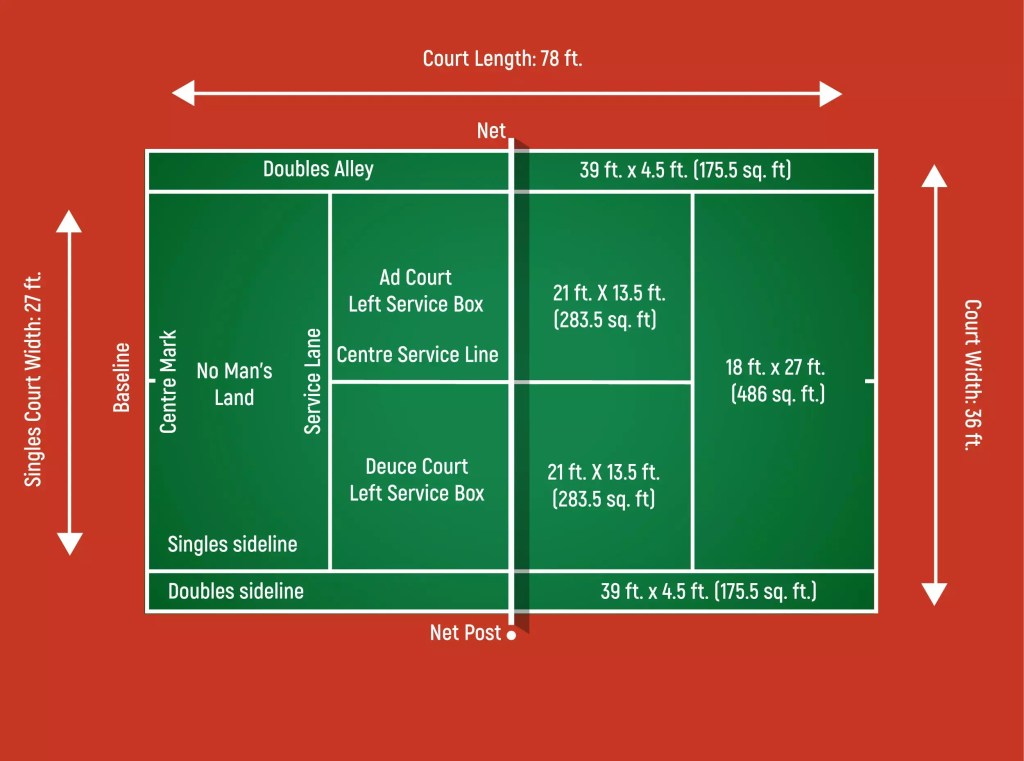
The rise of adaptive tennis is another incredible shift. Essentially, this aims to modify certain aspects of the sport so everyone can participate, regardless of their age or abilities. Wheelchair tennis is one such modification for those with mobility issues, but there are others as well, such as shortening the court length, making the ball bigger, or allowing for a two-bounce rule. These help people struggling with disabilities like cerebral palsy, multiple sclerosis, muscular dystrophy, limb differences, arthritis, and even those with traumatic brain injuries play tennis. Visually impaired lawn tennis (also called sound tennis) has become another popular sport, involving audible tennis balls so players can hear them, tactile lines on the court, and a lower net.
Several high-profile tournaments and events have embraced the ethos of inclusivity: the US Open, for instance, has incorporated wheelchair tennis events alongside its traditional competitions. And of course, we have the Paralympics as well! Looking ahead, the tennis community must continue to champion inclusivity through sustained efforts in these spheres, helping more and more individuals showcase their skill and athleticism in tennis.
Sources:
https://www.sralab.org/adaptive-tennis
https://wearecollegetennis.com/diversity-equity-and-inclusion
https://www.lta.org.uk/play/inclusion-disability/visually-impaired-tennis
 10 Reasons Why the Cookie Crumbled the Way It Did