

Launched in 2008 by the BCCI, the Indian Premier League has become an intriguing part of the cricket landscape, converting what was (still is!) a gentleman’s game into a thrilling three-hour format. This is an annual men’s T20 tournament, and its vision was put forth after India won the inaugural World T20 Cup in 2007. The proposal was simple: a series of teams, each representing an Indian city or region, composed of cricketers from across the world after an auction process. These teams play each other in a round-robin format after being divided into two groups, after which we have the playoffs, including two qualifiers, one eliminator, and of course, the final.
India has always been obsessed with cricket, which serves as the highest-earning sport of the country, and the IPL took it to the next level. The first season of the league was watched by over 200 million Indians and 10 million overseas spectators, overtaking the English Premier League of football, whose record had been 150 million! This move by the BCCI was incredible, ushering in a new generation of cricket enthusiasts and even launching essentially a new segment of the sport – that of ‘cricketainment’, where sport meets celebrity. All the more because many of the teams are owned by beloved Bollywood stars and other publicly known personalities, and there’s a country-wide sense of excitement about attending the games to sight these stars.
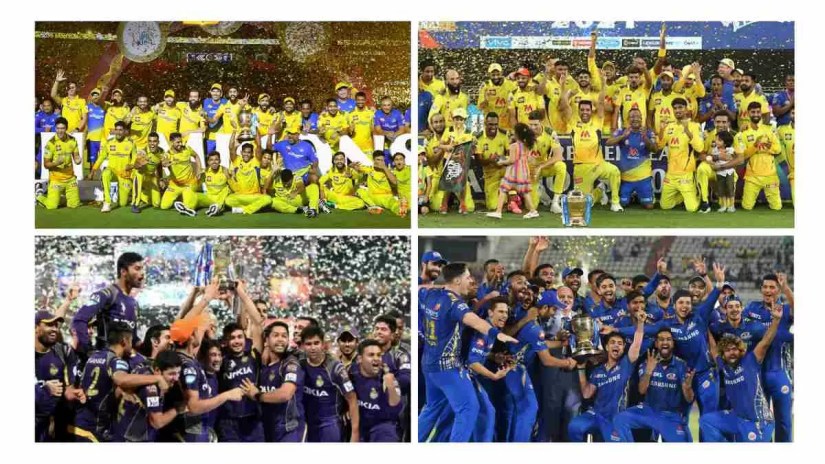
There’s an interesting analysis on how the IPL essentially turned noncustomers of India’s cricket industry into customers by understanding what they want. They identified three kinds of noncustomers: those who only watch cricket when India is playing due to their patriotism, and feel less invested when the country is knocked out of the tournament; those who find the sport long, boring, and complicated; and thirdly, those from foreign countries who will domestic Indian cricket uninteresting because there’s no common context. If one analyzes the structure of the IPL, one might note that the league has something to offer to each of these noncustomers!
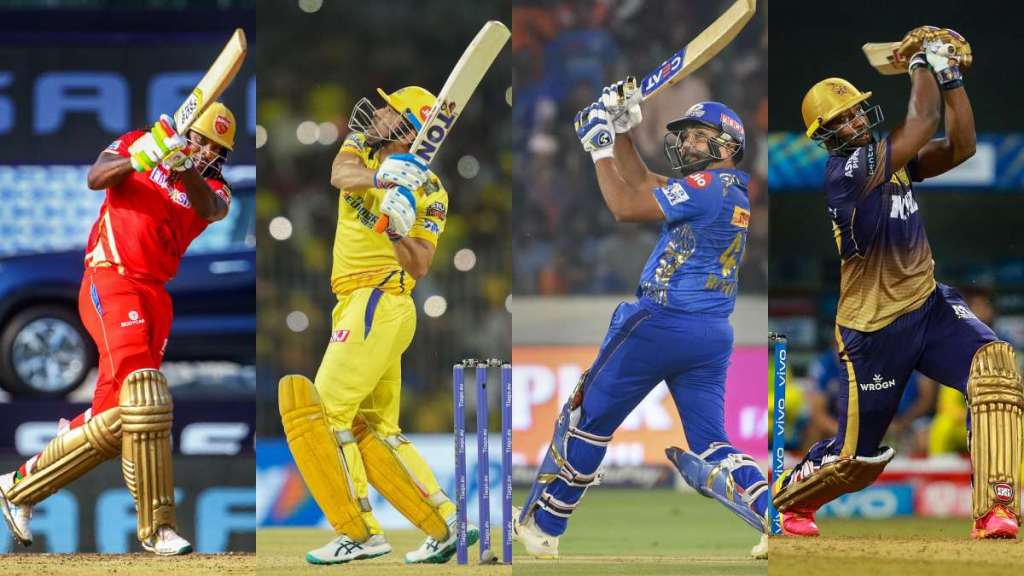
This, of course, has immense economic implications. A 2015 report by KPMG stated that the IPL was projected to add 11.5 billion to the Indian economy. 8 years later, this number will only be exponentially higher, especially since IPL has established international brand recognition. IPL remains so popular for many reasons: global star power, short and exciting matches, fusion of cricket and entertainment, fan loyalty and regional pride, and last but not least, its role as a platform for young and rising athletes. No matter how you feel about this new-ish entrant to the world of cricket, there’s no doubt that there’s a lot to celebrate!
Sources:
https://pari-match-bet.in/blog/en/why-ipl-is-so-popular/
https://www.blueoceanstrategy.com/blog/how-the-indian-premier-league-reinvented-the-cricket-league/
https://www.linkedin.com/pulse/indian-premier-league-ipl-analyzing-impact-significance-kreedon

 10 Reasons Why the Cookie Crumbled the Way It Did