

Often known as the ‘gentleman’s game,’ cricket has traditionally been a sport associated with male players. However, women’s cricket has had a rich and varied history ever since its inception, and key pioneering moments in women’s cricket stand tall as testament to the glorious example of women smashing barriers to shine in their sport. An iconic moment that perfectly captures the essence of women breaking boundaries to excel at cricket is that of a charity cricket match in England in 1963 where men played against women. England Captain, Len Hutton said that the thought of women playing cricket was absolutely “absurd, like a man trying to knit.” The women’s team went on to win the match. So come, let’s take a look at some historic moments in women’s cricket!
Women have been playing cricket for nearly as long as men, with the first recorded match taking place between ‘eleven maids of Bramley and eleven maids of Hambledon in Surrey, England, in 1745. These village matches took place often, and a number of women’s clubs were formed, although the first official Women’s Cricket Association was established in Victoria in 1926, and brought with it the advent of national cricket tournaments for women in England. Prior to this, women’s cricket struggled to gain public acceptance and recognition, and was often played by women in secret, forming collegiate or post-work groups. However, the First World War played a role in bringing women out of hiding, and as their role in the public sphere grew, so did the nature of women’s cricket. It was no longer played in secret, but instead, women could be found playing cricket in the barracks, in training depots, military camps, and factory sites. The first match played by women on a first-class county ground was held at Worcester in 1932, following the establishment of the Women’s Cricket Association.
Another pioneering moment was the formation of the Australian Women’s Cricket Council (AWCC) in 1931, as this opened up the doors for the first global cricket tournament for women. The English women’s cricket team set sail for Australia, where they won two out of three test matches against the Australian team. Helen Elizabeth Archdale was a prominent feature at this time, as Captain of the England women’s cricket team who led the 1934-35 tour of Australia and New Zealand. She was a leading ambassador for women’s cricket as an active member of the Women’s Cricket Association (WCA) and helped popularize women’s cricket immensely.
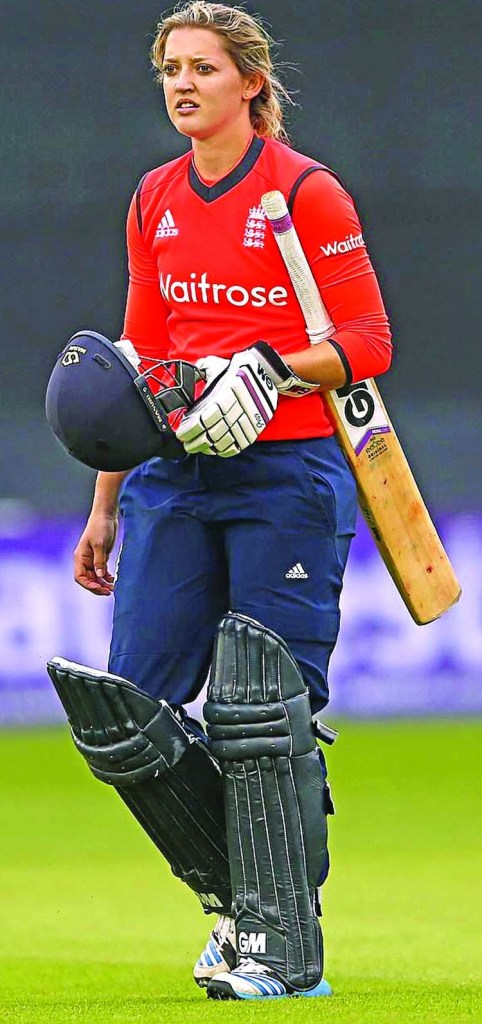
History was made when the first women’s Cricket World Cup took place in 1973, two years before the men’s World Cup. Businessman Jack Hayward financed the tournament and funded the 40,000 pound cost of bringing national women’s teams to England for the World Cup, including Australia, New Zealand, Trinidad & Tobago, Jamaica, Young England, and an International XI. England won the finals, beating Australia by 92 runs, and the experimental World Cup was deemed a success, encouraging the International Cricket Council (ICC) to host the men’s World Cup in 1975.
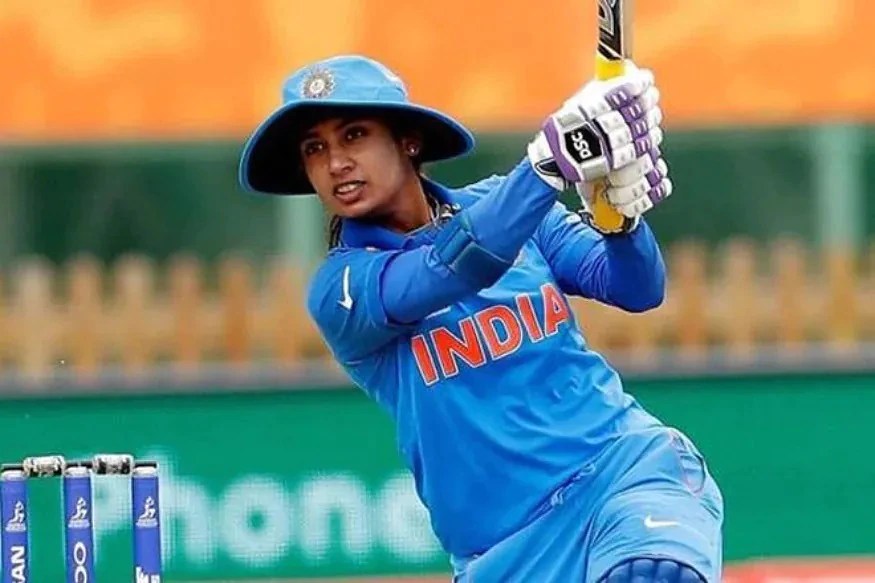
Ever since then, women’s cricket has received its much-deserved recognition and spotlight. Legendary women cricketers such as Belinda Clark, who scored the first ever double-century at the 1997 World Cup, Sajjida Shah, who hauled a record 7 wickets for 4 runs against Japan in 2003, and Mithali Raj, India’s team captain who led her team to victory in 100 international matches, have become household names today.
Sources:
- https://www.lords.org/lords/news-stories/women-s-cricket-evolution
- https://www.britannica.com/topic/Womens-Cricket-Association
- https://femalecricket.com/women-cricket-news/24227-the-most-legendary-moments-in-womens-cricket.html
- https://femalecricket.com/women-cricket-news/24227-the-most-legendary-moments-in-womens-cricket.html

 10 Reasons Why the Cookie Crumbled the Way It Did